EV Charger Installation in Anchorage: A Cold-Climate Guide
Updated Jun 2026
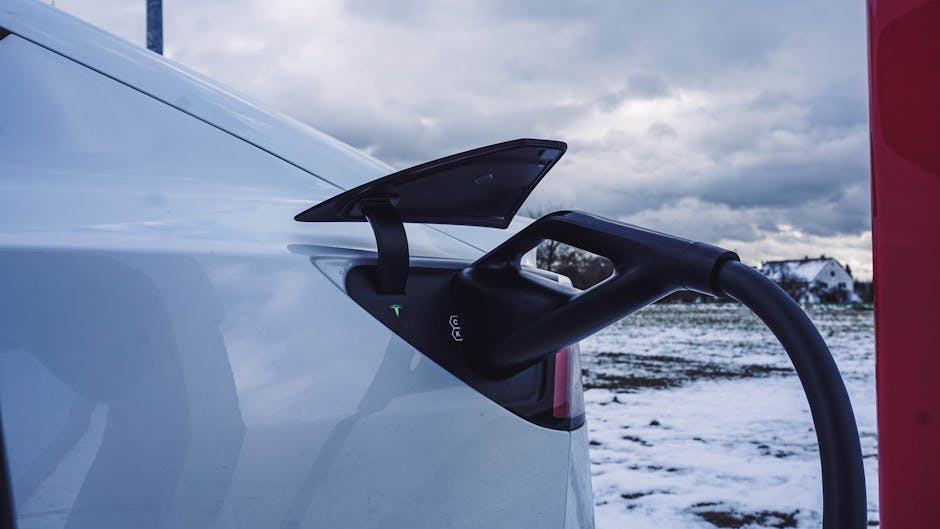
Photo by Maik Poblocki on Pexels (Pexels License)
Owning an EV in Anchorage means charging through some of the most demanding winter conditions in the country. A well-planned EV charger installation keeps your vehicle ready no matter the temperature. Here's what local homeowners should consider before installing a home charger in Alaska.
Why home charging matters more in the cold
In a cold climate, the convenience of home charging is hard to overstate. Cold weather affects how EVs use energy, so starting each day with a full charge — and a vehicle that's been plugged in overnight — makes daily driving far simpler. Plugging in at home also means you're not standing at a public station in freezing conditions.
Many EVs and chargers allow you to schedule charging and precondition the cabin while still plugged in, so the car is comfortable before you leave. A reliable home setup is what makes those features practical.
Garage vs. outdoor installation
One of the first decisions in Anchorage is where to install the charger. A garage installation is often the most reliable choice: it protects the equipment from snow, ice, and extreme cold, and makes plugging in more pleasant on dark winter mornings.
If an outdoor installation is your only option, the equipment must be weather-rated to handle severe cold and moisture. Proper mounting and placement help protect both the charger and the connection from the elements. A local electrician who understands Alaska's conditions can recommend the right equipment and location.
Choosing the right charger
For most Anchorage drivers, a Level 2 charger is the practical choice. It runs on a 240-volt circuit — the same type used by an electric dryer — and adds range far faster than a standard outlet. That speed is especially welcome in winter, when you want dependable charging without long waits.
Level 1 charging, which uses a standard outlet, may work for very light driving, but most households benefit from the faster, more reliable charging that Level 2 provides.
Electrical considerations
Before installation, your electrician will check whether your electrical panel can support a new 240-volt circuit. Older homes or panels near capacity may need an upgrade. This assessment is also a chance to plan the wiring route from the panel to the charger location — a shorter, cleaner run is generally simpler.
Because this is high-voltage work, it should always be handled by a licensed, insured electrician who pulls the proper permits and arranges inspection.
Choosing a local installer
Look for a licensed electrician with EV charger experience who understands cold-climate installation. The listings on this page are a good starting point. As you compare:
- Confirm licensing, insurance, and permitting
- Ask about experience with garage and weather-rated outdoor installs
- Request an on-site assessment of your panel and location
- Gather a couple of written quotes and read recent reviews
The bottom line
In Anchorage, a thoughtful EV charger installation is what keeps electric driving easy through the long Alaskan winter. Choose a Level 2 charger suited to your driving, install it where it's protected from the elements, and hire a licensed local electrician who knows how to build a setup that performs in the cold. Done right, your charger will keep your EV ready every morning, all year long.