EV Charger Installation: A Complete Homeowner's Guide
Updated Jun 2026
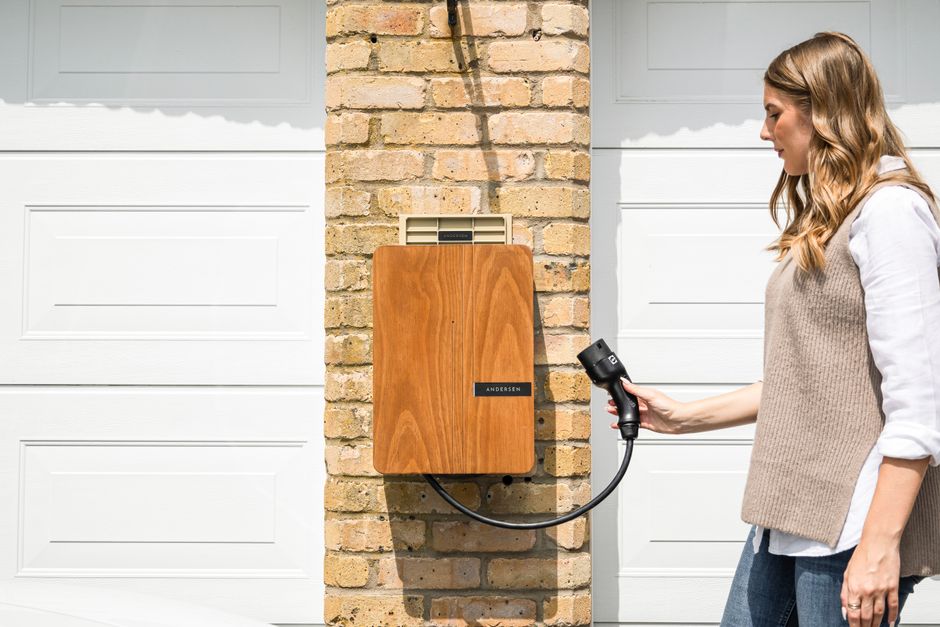
Photo by Andersen EV on Pexels (Pexels License)
Switching to an electric vehicle changes how you think about "filling up." Instead of stopping at a station, most EV owners charge at home overnight. A proper EV charger installation is what makes that possible — and getting it right from the start saves time, money, and frustration down the road.
Why install a home charger
Public charging works, but it asks you to plan your day around station availability. A home charger flips that: you plug in when you park and wake up with the range you need. For daily commuting and errands, that convenience is the single biggest reason people install home charging equipment.
Home charging can also be gentler on your schedule. You charge during off-peak hours, skip the lines, and keep your battery topped up without thinking about it.
Understanding charger levels
There are two common home options:
- Level 1 uses a standard household outlet. It's the slowest option and works for drivers who travel short distances and can leave the car plugged in for long stretches.
- Level 2 runs on a 240-volt circuit, the same type used by an electric dryer or range. It adds range far faster and is the choice most homeowners make for everyday driving.
If you drive regularly or own a longer-range vehicle, Level 2 is usually the better fit. An electrician can help you weigh the options against your driving habits.
What the installation involves
A typical Level 2 installation includes mounting the charger, running a dedicated circuit from your electrical panel, and connecting everything safely. The complexity depends on a few factors:
- Panel capacity. Your panel must have room for a new circuit. Older or fully loaded panels may need an upgrade.
- Distance. The farther the charger sits from the panel, the more wiring is involved.
- Location. Garage installs are common and simple; outdoor installs need weather-rated equipment.
Because every home is different, a good electrician assesses your setup before quoting the work.
Do you need a professional?
For Level 2 work, yes. A 240-volt circuit should be installed by a licensed electrician to keep the job safe, code-compliant, and properly permitted. Permits matter for your insurance and for any future home sale, and professional installation protects against the very real hazards of high-voltage wiring.
How to choose an installer
Look for a licensed, insured electrician with specific EV charger experience. Strong candidates will:
- Pull the proper permits and schedule inspections
- Be familiar with your charger brand and connector type
- Explain the wiring plan and any panel work before starting
- Provide a clear, written quote after seeing your home
Get two or three quotes so you can compare scope and approach, not just price. Reading recent reviews helps you gauge reliability and workmanship.
Planning ahead
Before the electrician arrives, think about where you park and where you'd like the charger mounted. Consider whether you might add a second EV later — sizing the circuit with the future in mind can save another project down the line. Ask about rebates, too; many utilities and some state programs offer incentives, and your installer often knows which ones currently apply.
The bottom line
A home EV charger is one of the most rewarding upgrades for any EV owner. Start by understanding your charger options, confirm your panel can handle the load, and hire a licensed electrician who explains the work clearly. Done right, your installation gives you years of effortless, reliable charging right in your own driveway or garage.